How to Choose the Right Soil, Mulch and Aggregates for Your Waterdown Landscape
Successful landscaping starts below the surface. Soil supports roots, mulch helps manage moisture and weeds, and aggregates create drainage, structure and durable finished areas. Choosing the wrong material can lead to poor plant growth, messy pathways or repeated repairs.
For Waterdown homeowners, the best choice depends on the project, existing conditions and desired finish. This guide explains how to select garden supplies in Waterdown with confidence.
Which Soil Is Best for Your Project?
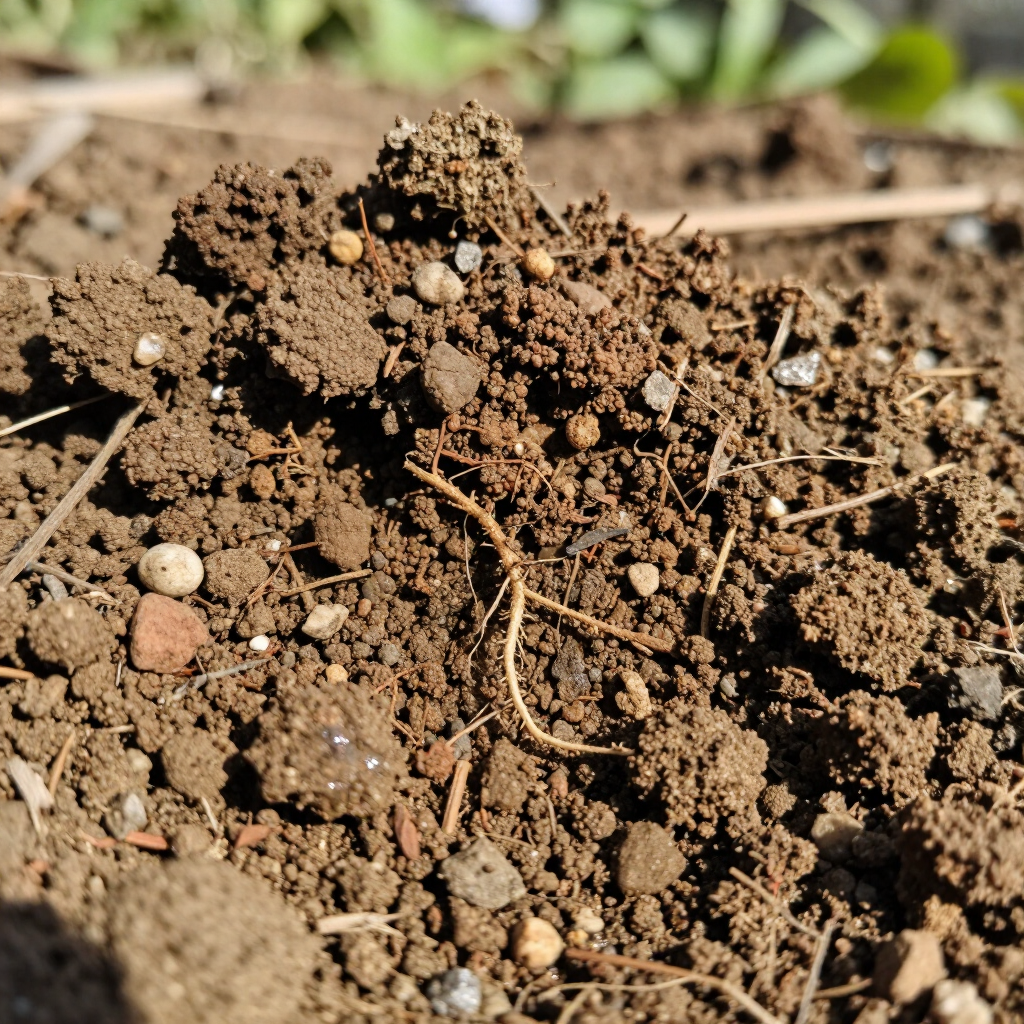
There is no single soil for every job. Topsoil is commonly used for grading and lawn preparation, while garden blends may include organic matter suited to planting beds. Compost is an amendment, not always a complete growing medium by itself.
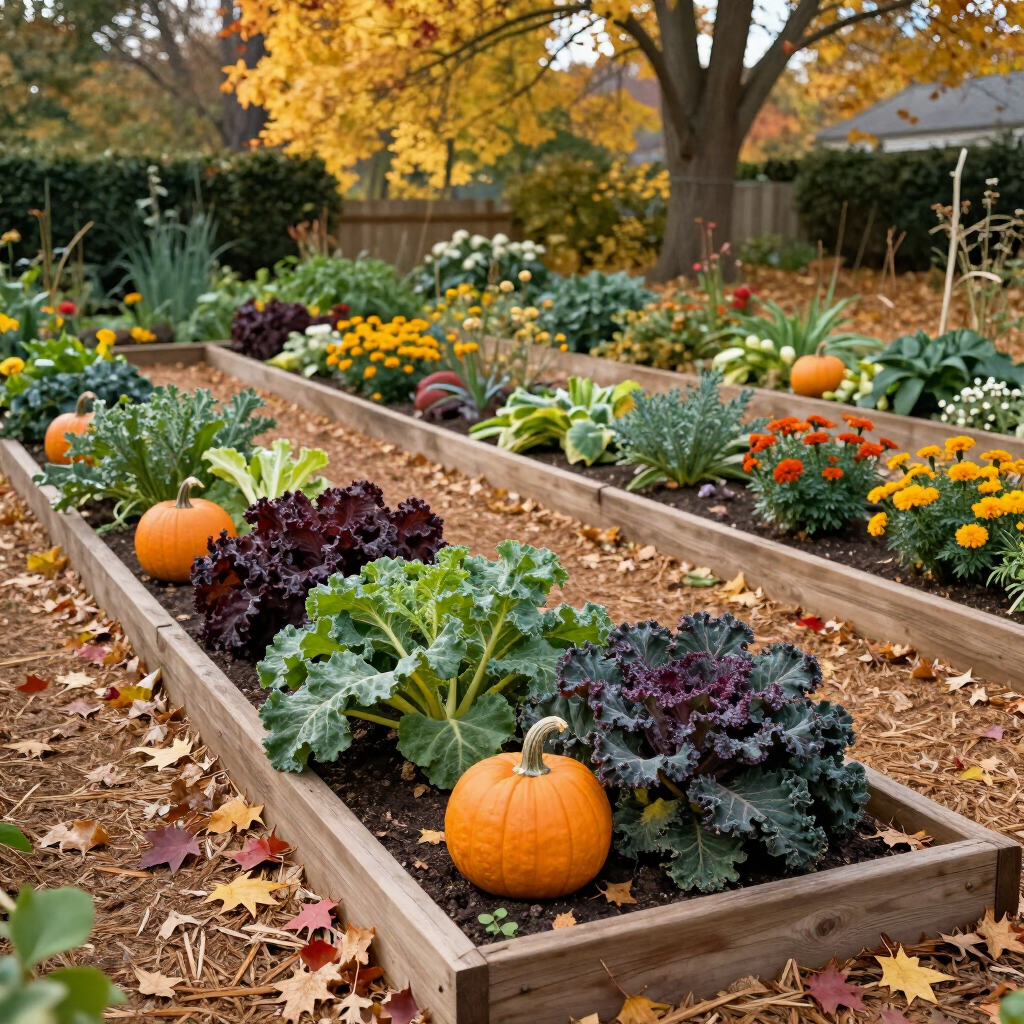
For raised beds, choose a blend that balances drainage, moisture retention and organic content. For lawns, use a screened product suitable for establishing or repairing turf. Heavy clay sites may need a plan based on drainage and plant selection rather than simply adding a thin layer of rich soil.
Assess Existing Conditions First
Dig several small test holes. Observe texture, compaction, moisture and how quickly water drains. Check sun exposure and note whether the site is low, sloped or close to a downspout.
Plants should suit the conditions. Material amendments can improve soil, but they cannot permanently overcome severe drainage problems or inappropriate grading.
How Much Soil Do You Need?
Measure length and width, then multiply by the planned depth in feet to calculate cubic feet. Divide by 27 to convert cubic feet to cubic yards.
For irregular beds, divide the area into smaller shapes and total them. Include a reasonable allowance for settling, but avoid ordering a large surplus without discussing the project with the supplier.
What Does Mulch Do?
Mulch covers exposed soil, reduces evaporation, moderates soil temperature and helps suppress weeds. Organic mulch also breaks down gradually and contributes organic matter.
Mulch does not eliminate maintenance. Windblown soil can collect on top and support weeds, and the material needs periodic refreshing.
Choosing a Mulch Type
Natural and dyed wood mulches offer different colours and textures. Choose a style that complements the home, plants and other hardscape materials.
Consider how quickly the material may break down, whether it could move on a slope and how the colour will look when wet and dry. Ask to see the product rather than choosing from a name alone.
How Deep Should Mulch Be?
A moderate, even layer is usually more useful than a deep pile. Excess mulch can hold moisture against stems, reduce air movement and create an unfavourable root environment.
Keep mulch away from tree trunks, shrub stems and the home’s siding. “Mulch volcanoes” around trees should be avoided; the root flare should remain visible.
Which Aggregate Should You Choose?
Aggregates include clear stone, crusher run, decorative stone and other graded materials. Their uses differ. Some create a compacted base, some support drainage and some provide a decorative surface.
The correct product depends on whether you are building a walkway, shed base, drainage layer, driveway repair or garden accent. Using decorative stone where a compactable base is required can lead to movement.
Base Materials for Walkways and Patios
A stable walkway or patio needs more than attractive surface material. Excavation depth, compacted base, edge restraint and drainage all affect performance.
Ask which aggregate is intended for compaction and how much depth the project requires. Compact in appropriate lifts rather than placing one thick layer and compressing only the top.
Drainage Applications
Clear stone can create space for water movement in certain drainage installations, but stone alone does not solve every wet-yard problem. The system needs a suitable outlet, grading and often filter fabric or pipe designed for the application.
Avoid directing water toward neighbouring properties or foundations. Significant drainage work may require professional design and municipal considerations.
Decorative Stone and River Rock
Decorative aggregates can provide colour, texture and a low-maintenance surface around suitable plantings. They are heavier and more permanent than organic mulch but do not improve soil as they age.
Weeds can still grow in collected debris. Plan edging and consider how leaves will be removed. Stone can also absorb heat, which may affect nearby plants.
Match Materials to the Landscape Style
Warm mulch can soften traditional beds, while angular stone may suit modern designs. Repeating a limited material palette helps the property feel coordinated.
View samples beside brick, siding and existing paving. Colours often appear different outdoors than they do on a screen.
Plan Delivery and Access
Bulk materials need a safe delivery location. Measure gates and driveways, check overhead wires and keep the pile away from drains, sidewalks and traffic.
Prepare a tarp if necessary and schedule labour before delivery. Soil and aggregates become harder to move when wet.
Can You Mix Soil, Mulch and Aggregate in One Project?
Yes, but each material needs a defined role. A planting bed may use amended soil for roots, organic mulch at the surface and stone only in a drainage or decorative zone.
Keep soil out of clear drainage stone, and use edging where materials would otherwise migrate into each other.
Frequently Asked Questions
Is topsoil the same as garden soil?
Not necessarily. Product composition varies, so choose according to the supplier’s description and intended use.
Should landscape fabric go under mulch?
It depends on the project. Fabric can interfere with soil improvement in planting beds and may become visible as mulch shifts. It is more commonly considered in some aggregate applications.
How often should mulch be replaced?
Refresh it when the layer becomes thin or decomposed. Avoid adding a full new layer every year if enough material remains.
Start With the Right Material
Choosing soil, mulch and aggregates is easier when the project’s purpose, measurements and drainage conditions are clear. Millgrove Garden Supplies helps homeowners
shop garden supplies in Waterdown for lawns, beds, pathways and landscape construction.
Measure carefully, ask how each product is intended to perform and build the project from the base upward for a result that lasts.