
Mulch, Compost or Topsoil? Choosing Supplies for Waterdown Fall Garden Projects
Choose topsoil when you need to build or replace a soil layer, compost when you want to add organic matter to an existing garden, and mulch when you want a surface covering around established plants. These materials can be used together, but they do different jobs. Start with the condition of your space and the work you plan to do this fall.
At Millgrove Garden Supplies, we help homeowners and contractors find materials for gardens and landscapes around Waterdown. Our shop carries topsoil, leaf compost and several mulches, along with other soil blends and landscape materials. A product name is only part of the decision; the project, existing soil and required volume matter too.
This guide helps you prepare a useful shopping list. It is a general planning resource, so ask us about the current product and delivery details for your property before placing an order.
First decide what problem you are solving
A bare new bed, a tired existing bed and a planted bed needing winter preparation do not all call for the same material. Describe the starting surface and the desired result.
If you need to bring a bed up to a planned level, soil volume is the main question. If the soil is already in place and you want to incorporate organic matter, compost may be the relevant material. If you want to cover the surface around plants, look at mulch.
We recommend measuring the area before choosing quantities. Otherwise, it is easy to order a visually appealing product without knowing whether it covers the work you intended.
Also consider drainage, slope and any persistent problem. A delivery of material may not solve water collecting against a foundation or a deeply compacted site. Those conditions may require a broader landscape plan.
What does topsoil do in a fall project?
Topsoil provides a soil layer for projects such as establishing a bed, adjusting an area or preparing a new lawn. Its suitability depends on the existing ground and what will grow there.
Our shop lists topsoil and other soil products. We would ask whether you are adding a modest layer to an existing garden or replacing a larger volume. The difference changes both the product discussion and the amount to order.
Do not bury the base of established trees or shrubs under a deep new layer without considering their needs. More soil is not automatically better for every planting.
For an area with severe grading or drainage concerns, confirm the levels and specifications first. Topsoil can be part of the work, but the design should establish where water will go.
When is compost the better choice?
Compost is commonly used to add organic matter to an existing soil. It can be incorporated into a bed or used as part of a project plan, depending on the plants and the condition of the soil.
We carry leaf compost in our shop. Tell us what is already in your garden and how you expect to use it. Compost is not a direct substitute for a large structural fill when the bed is missing the soil volume it needs.
Avoid assuming that every plant wants the same amendment or that adding an ever-thicker layer guarantees a better result. A soil test or advice specific to your planting may be useful if you are addressing a persistent growing issue.
Fall can be a convenient time to improve a bed after crops or annuals are removed. We suggest planning the work so the material is applied where it is needed, instead of spreading it over paths or around trunks without a purpose.
What does mulch do?
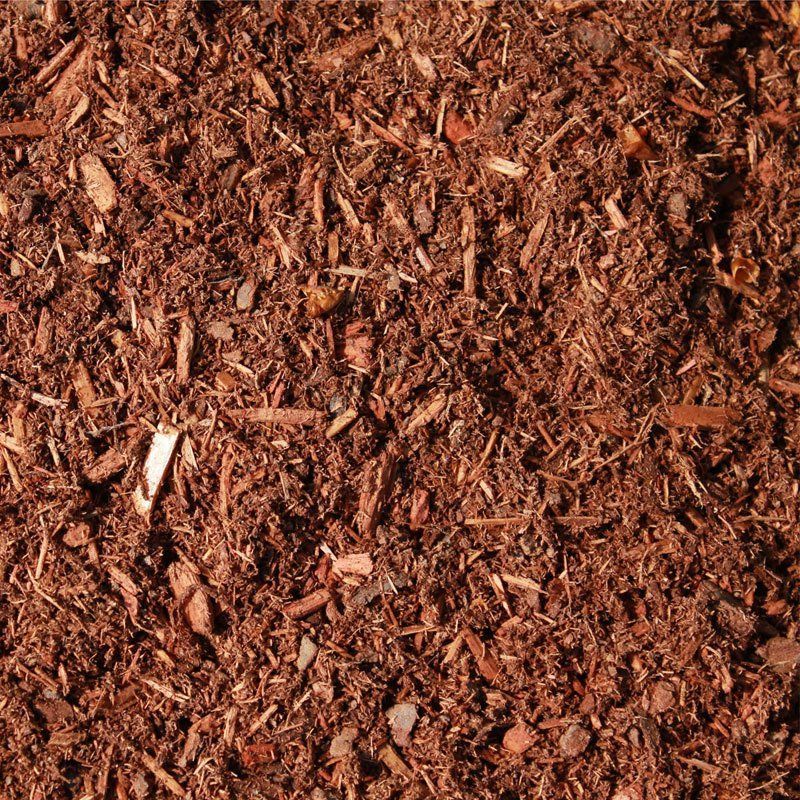
Mulch covers the soil surface. It can help moderate moisture changes, reduce exposed soil and give a bed a finished appearance. It is not a replacement for the soil in which plants root.
Our shop lists options such as classic cedar, shredded pine, hemlock, composted pine and dyed mulches. Appearance, texture and intended use can help you narrow the choice. Discuss the product with us if a particular plant or setting needs special attention.
Keep mulch away from direct contact with trunks and stems rather than building a mound against them. Leave the root flare and plant bases visible according to the needs of the planting.
A fall application should account for the mulch already present. If a bed still has a substantial layer, topping it up without checking the depth can lead to an unnecessarily thick surface.
Can you use all three materials in one bed?
Yes, when each has a clear role. For example, a new bed may require a soil layer, a suitable amendment in the planting area, and a final surface cover after plants are installed.
The quantities should be calculated separately. A plan that calls for soil at one depth and mulch at another is two volume calculations, even when the surface area is the same.
We recommend checking the project sequence. Establish the grade and soil first, then complete planting or amendment work as planned, and apply mulch last where appropriate.
If you are uncertain about the existing ground, bring a description or photographs. We can discuss product options, but a site-specific drainage or planting issue may need a qualified landscape assessment.
How do soil blends fit the decision?
You may see products such as triple mix, manure loam, black loam or top dressing in our Waterdown garden store. These names reflect different intended uses, and one general article cannot decide which is best for your particular site.
Tell us whether your project is a new planting bed, an existing lawn, a container or another use. Ask what is in the selected product and how it should be applied. Product composition and availability can change, so confirm details at purchase.
Do not choose a blend solely because its name sounds richer. The existing soil, plant needs and desired finished grade provide a better basis.
When comparing products, keep the quoted quantity and delivery format alongside the product name. Two orders of “soil” may refer to different materials and volumes.
Measure the area before ordering
For a rectangular area, multiply the length by the width to get square feet. Multiply that by the planned depth in inches and divide by 324 to estimate cubic yards.
A bed measuring 15 feet by 6 feet, with a planned 2-inch surface layer, needs 15 × 6 × 2 ÷ 324, or about 0.56 cubic yards. That is a mathematical example, not a recommended depth for every material.
If the shape is irregular, divide it into smaller rectangles or approximate sections and add them. For a raised bed, use inside dimensions and subtract any material already there.
Keep soil, compost and mulch on separate lines. Add areas for the same product only after you have calculated each project section.
Why the desired depth matters so much
An area measurement without depth cannot tell you the volume. Doubling the depth doubles the amount needed for the same surface.
Ask what depth is appropriate for the specific work before using a calculator. Topdressing an existing bed and filling a raised planter from empty have very different requirements.
Measure an uneven space at several points. A single low corner can distort the estimate for the whole area. If substantial grading is involved, a landscape plan can specify the finished levels.
We can help check the arithmetic once you know the intended depth. Bring the dimensions and tell us whether they describe additional material or the full depth of the finished bed.
Plan a fall project in stages
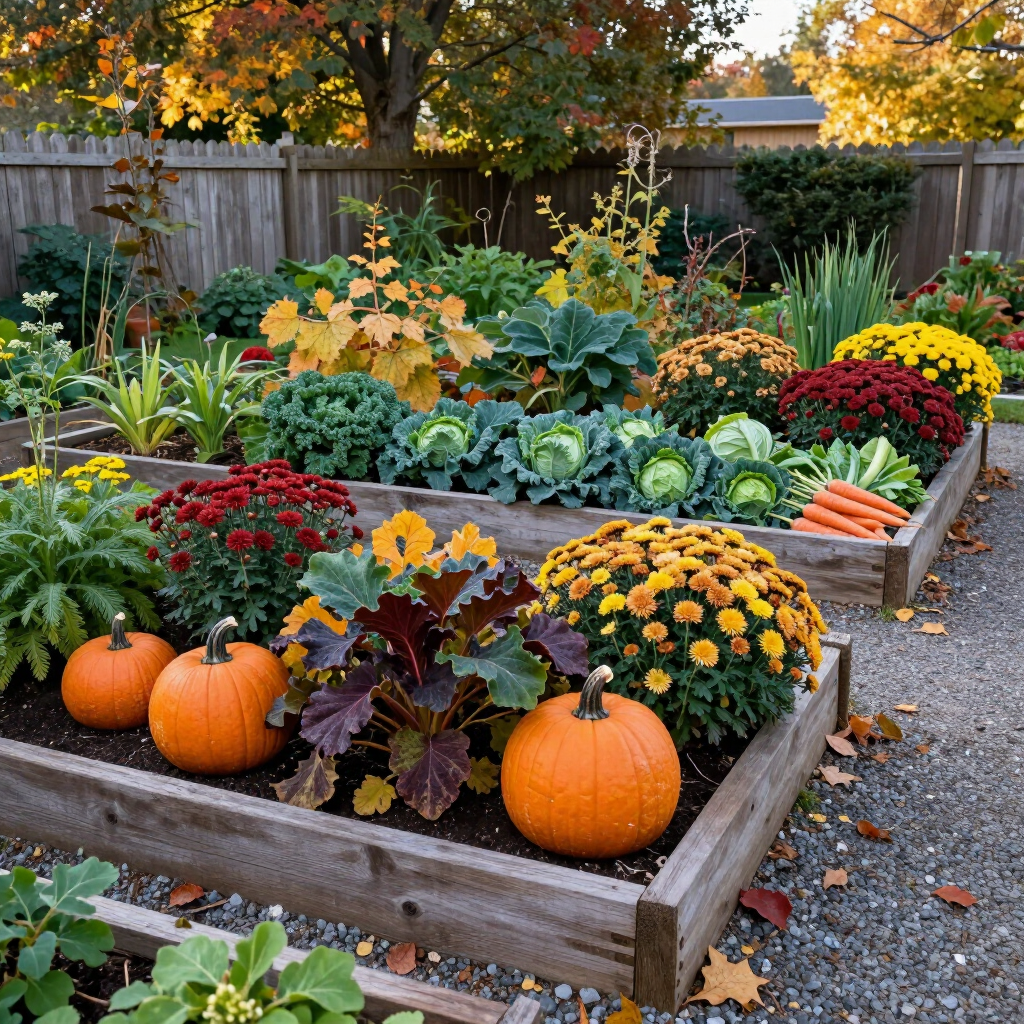
Begin with cleanup and an honest look at the existing surface. Identify plants that will remain, areas to be cleared and any repairs to edging or drainage that should happen before material arrives.
Next, select products according to purpose and calculate the volume. If several sections use the same material, group them in the order. If they require different materials, keep the totals distinct.
Arrange delivery or pickup around when you can work. Loose material should have a practical place to go, and you need a route from the drop point to the beds.
After the work, record what you used and where. That note can make next spring’s planning much easier, especially if the garden has several beds with different conditions.
Think about access for loose delivery
Our shop notes that Millgrove orders are sent out loose rather than in bags. That detail should shape your delivery plan. Decide where a loose load can be placed safely and how it will be moved from there.
Protect access to garages, doors and shared routes. Discuss driveway surface, overhead obstructions, parked vehicles, gates and the distance from the drop point to the work area.
The shop also notes a maximum of two items per truck. If you need several different materials, confirm the practical delivery arrangement and any additional trips before finalizing the order.
A photo of the proposed drop location can help explain your plan. We still need to confirm the actual delivery conditions and what the driver can do safely.
How should you compare mulch options?
Appearance is one factor, but also look at texture and intended use. A large decorative area, a small perennial bed and a play area can call for different products.
Our shop offers multiple wood mulches and woodchips. Ask about the current product’s characteristics rather than assuming every “mulch” listing performs identically.
Consider how the material will look alongside your plants, paving and house. A colour sample viewed in daylight may be more useful than choosing from a screen.
If you are replenishing an older bed, identify the existing material when possible. Mixing distinctly different textures or colours can produce a result you did not expect.
What if your soil has weeds?
Natural soil products cannot be guaranteed completely free of weed seeds. Our shop explains that we take measures to minimize them but do not promise a 100 percent weed-free soil.
Think about existing weeds in the site as well as the delivered product. Covering a weedy area with a thin layer of new soil does not necessarily eliminate the underlying problem.
We suggest preparing the bed appropriately, monitoring new growth and maintaining the space. Avoid a promise that one product alone will remove every weed.
If you are planning a large new landscape, ask how the soil preparation and ongoing maintenance fit together. Product choice is only one part of the result.
A decision guide for common Waterdown projects
For a new bed with insufficient soil, begin by calculating the required soil volume and discussing an appropriate product. If the bed already exists and its structure is sound, ask whether an amendment is more suitable.
For a planted bed with exposed soil, review the current mulch layer and calculate the amount needed for a sensible refresh. Keep the material around, rather than against, plant bases.
For a lawn renovation, distinguish between grading, seeding and topdressing. Those jobs may call for different materials and depths. Explain the planned steps when you ask for product advice.
For a decorative path or hardscape project, soil or mulch may not be the main material at all. We also stock aggregates and other supplies, so describe the finished use before ordering.
Frequently asked questions
Is compost the same as topsoil?
No. Compost is commonly used as an organic amendment, while topsoil provides a soil layer. A blend may contain several ingredients, but its name and intended use need confirmation for your project.
Can mulch replace soil in a raised bed?
No. Mulch is a surface material. The main growing volume needs a suitable planting medium, selected for the plants and bed design.
Should I order a little extra?
Allow for measurement uncertainty and how a product settles, but avoid applying one universal percentage to every job. We can discuss a sensible order after reviewing your dimensions and the material.
Are Millgrove deliveries in bags?
Our shop states that orders are sent out loose, not in bags. Confirm the selected item, quantity, location and current delivery terms when ordering.
Choose supplies with the project in mind
If you are comparing garden supplies in Waterdown, bring us the dimensions, intended depth and a short description of the existing space. We can help narrow the material choices and explain the delivery details for a practical fall plan.
Browse our garden supplies, then contact Millgrove Garden Supplies with the specifics. A clear purpose and good measurements make it easier to order what your landscape actually needs.