Preparing Garden Soil in Waterdown for a Strong Spring Start
A garden does not need to sit untouched after the last harvest or flowering season. In Waterdown and the surrounding area, a little fall planning can help reduce compaction, manage debris, and protect soil before freeze-thaw cycles. The goal is to improve conditions without unnecessary digging or disturbing healthy soil structure. Some of the best spring preparation starts with careful fall observation. Rather than adding the same soil product everywhere, consider the purpose of each bed and the condition of the ground already there.
Understanding the key considerations
Begin with observation
Look for areas that pond after rain, beds where plants performed poorly, and patches of bare ground. A soil test is more useful than guessing which amendment is missing, particularly if you plan to add substantial fertilizer or change pH. Different plants also prefer different soil conditions, so avoid treating every bed the same way.
Use organic matter thoughtfully
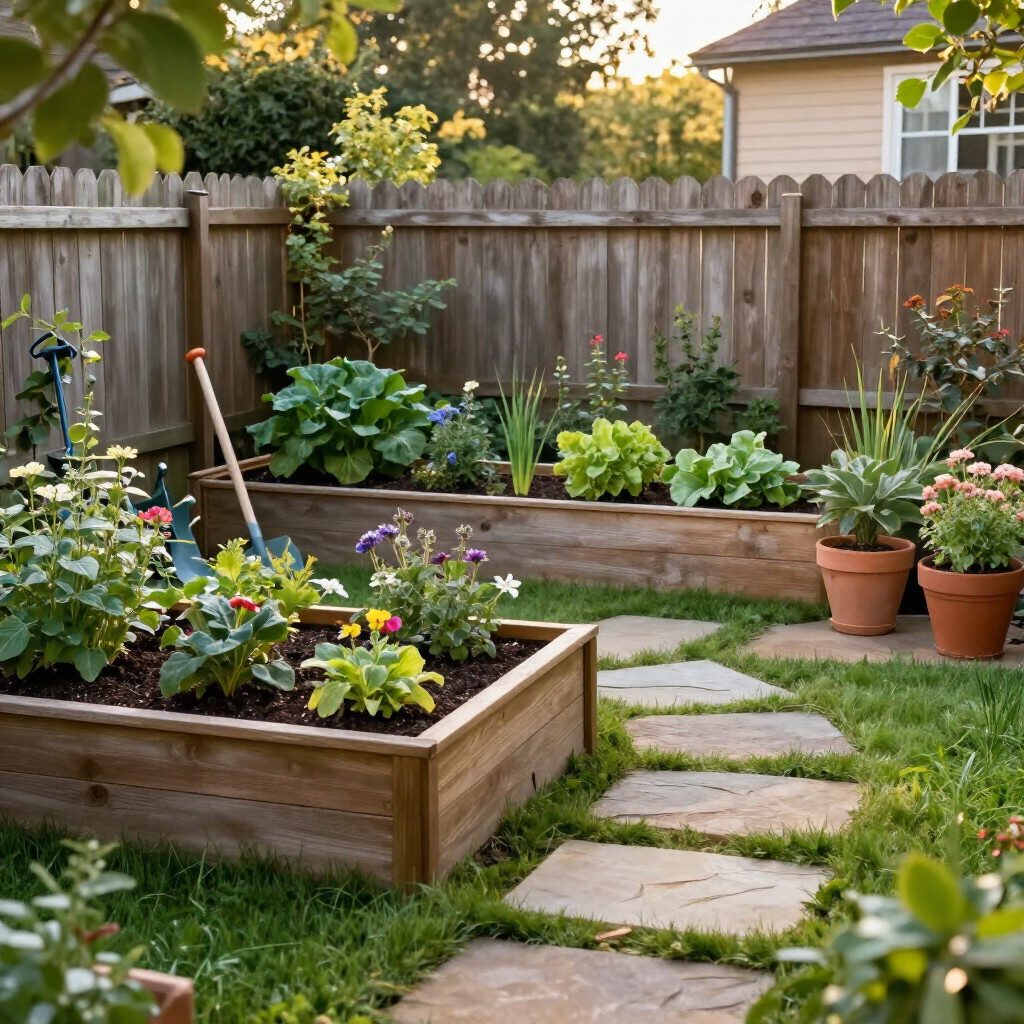
Where appropriate, finished compost can support soil structure and add organic matter. Spread material based on the bed’s needs and avoid burying woody stems or plant crowns. Do not work wet soil aggressively: squeezing and digging saturated ground can make compaction worse. Raised beds may need a different approach from heavy clay borders.
Protect exposed surfaces
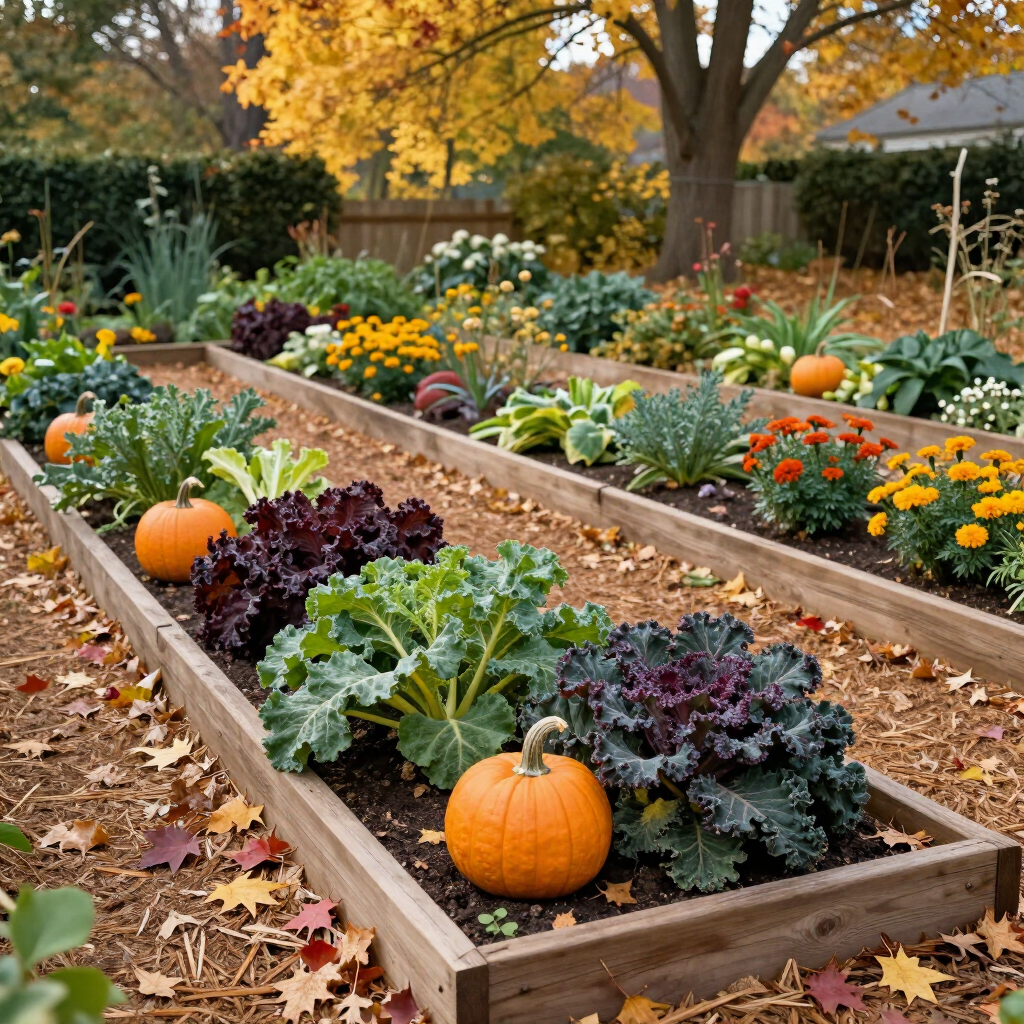
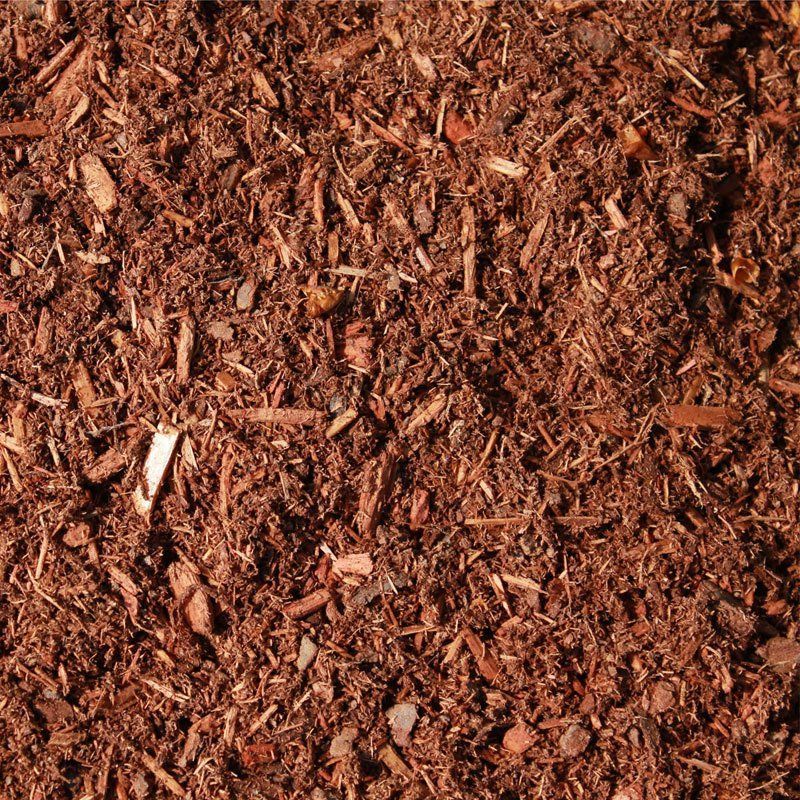
A suitable mulch layer can help protect beds from erosion and temperature swings. Remove diseased plant debris where appropriate, but consider retaining healthy organic material or habitat in areas where it is safe to do so. Keep mulch away from trunks and building foundations, and ensure drainage paths stay clear.
Plan materials before spring demand
Measure bed sizes and decide whether you need compost, topsoil, mulch, or a combination. Each serves a different purpose, and more product is not automatically better. Millgrove Garden Supplies can help customers in the Waterdown area identify suitable landscape materials and delivery arrangements for seasonal projects.
Explore the available
topsoil product to compare its intended applications.
Planning the right next step
Topsoil versus triple mix versus top dressing
These terms describe different product purposes, and the exact composition varies by supplier. Topsoil may be appropriate for building up certain landscape areas, while a garden blend may be selected for planting beds. Top dressing is generally applied in thinner layers. Check the product description and ask how it is intended to be used rather than substituting one bag or load for another.
Estimate volume before delivery
A rectangular bed ten feet long and six feet wide with a required depth of four inches needs about twenty cubic feet, roughly 0.74 cubic yards, before allowing for settling and site conditions. Larger projects should be measured in sections. This also helps establish where delivery materials can be placed without blocking vehicles or paths.
Consider spring planting goals
If you plan vegetables, shrubs or annuals, write down the planting zones and what grew there previously. Different plants have different light, moisture and soil needs. Avoid over-amending simply because a soil product is available. Planning by bed makes the spring order more precise and keeps the work manageable.
Millgrove's
triple mix option may suit different planting projects.
Practical planning checklist
Why autumn soil work differs from spring
Fall is a useful time to observe drainage and plan amendments, but weather can limit what should be done. Adding material when beds are too wet may create compaction or muddy access routes. A protective surface layer can reduce bare-soil exposure over winter. Some perennial beds benefit from leaving roots and healthy plant material in place, while diseased debris may need appropriate removal. The exact approach depends on garden type and local conditions.
Choosing material for raised beds versus lawns
A newly built raised bed may need a larger volume of suitable planting mix than an established border receiving a thin compost top-up. A lawn with minor unevenness has different needs from a vegetable plot. Before ordering topsoil or triple mix, define the depth and area, whether existing soil remains in place, and how the final grade will drain. This prevents buying a product simply because the name sounds familiar.
An efficient delivery and installation plan
Measure access, identify a level drop-off area and estimate the distance material must be moved. If several projects share one order, label where each product is meant to go. Have tarps, wheelbarrows and helpers arranged as needed, and avoid blocking public sidewalks or drainage features. Discuss available product types with Millgrove Garden Supplies before ordering so the quantity and material match the intended use.
Frequently Asked Questions About garden soil Waterdown
Should I dig compost into wet clay soil?
Avoid aggressively working saturated soil because it can worsen compaction. Choose a suitable timing and method.
Is topsoil the same as compost?
No. Product composition and purpose differ; check the supplier’s descriptions and your planting needs.
Talk to Millgrove Garden Supplies About Your Next Step
If you are weighing your options in Waterdown, gather the details of your situation and discuss the appropriate next step with Millgrove Garden Supplies. A clear description of the problem, proposed project or service requirements helps the team respond usefully.
Browse the full garden supplies shop to plan materials together.